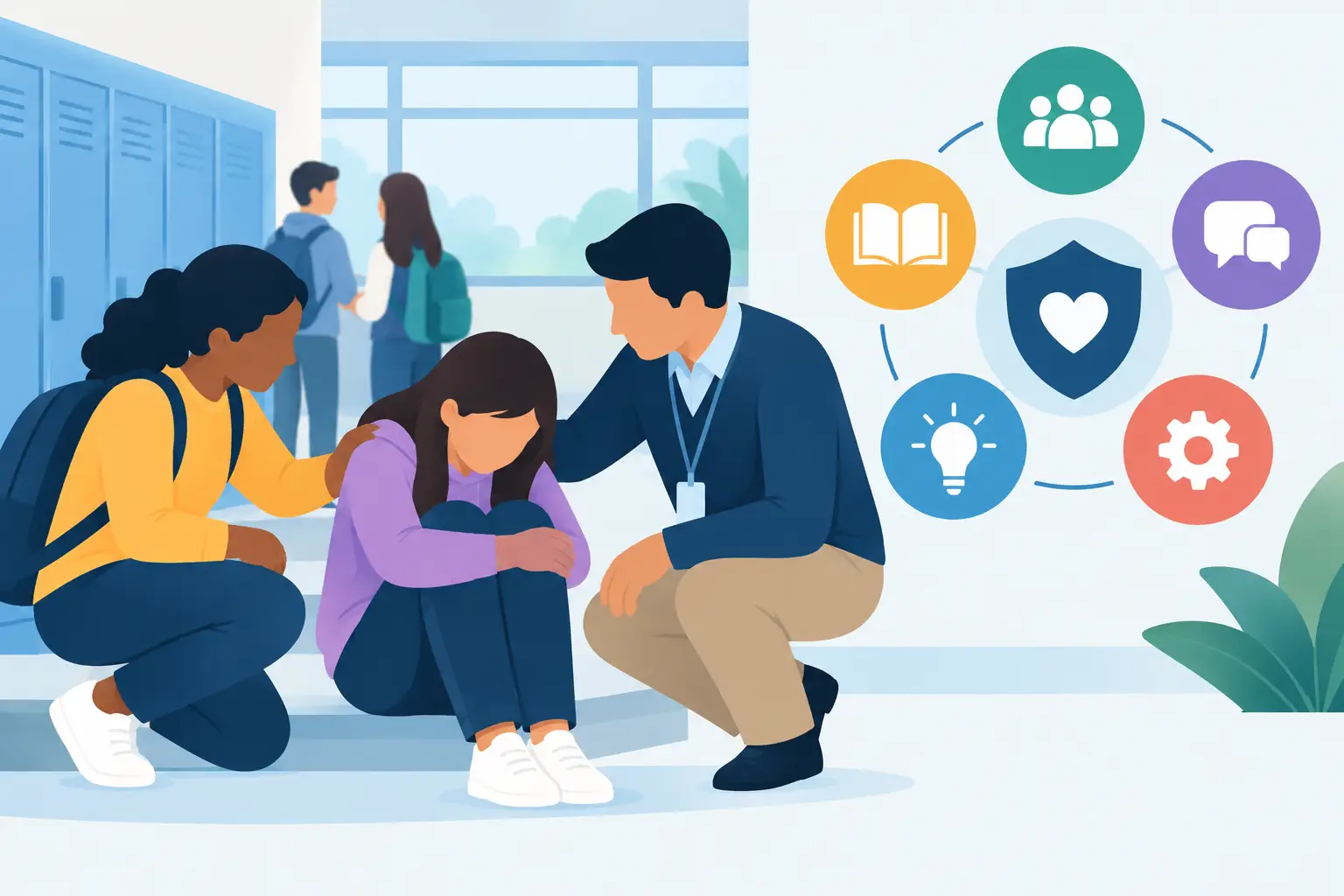
A student should not have to choose between getting an education and feeling safe enough to walk into school. The most useful bullying resources do more than define harmful behavior or offer a poster for the hallway. They help adults and students recognize what is happening, respond without delay, document patterns, repair harm when possible, and build a school culture where exclusion and intimidation do not get a free pass.
Bullying prevention is not one person’s job. It requires school leaders who set expectations, educators who act consistently, families who stay connected, students who look out for one another, and community partners willing to invest in safer schools. Awareness is a starting point. Coordinated action is what changes a student’s daily experience.
What Effective Bullying Resources Should Do
A resource is only as useful as the action it supports. A student who reports being targeted needs to know who will listen, what happens next, and how adults will protect them from retaliation. A parent needs a clear route to communicate concerns without having to chase answers. A teacher needs practical language for interrupting cruelty in the moment and procedures for escalating concerns appropriately.
Strong resources make those next steps visible. They should explain the difference between conflict, teasing, and bullying without minimizing harm. Conflict generally involves a disagreement between people with relatively equal power. Bullying involves unwanted aggressive behavior, a real or perceived power imbalance, and behavior that is repeated or likely to be repeated. A single serious threat, discriminatory act, or act of violence still requires immediate attention, even if it does not fit every part of that definition.
The distinction matters because schools need responses that fit the situation. Not every peer disagreement calls for the same intervention. But adults should never use the word “conflict” to dismiss a student who is frightened, isolated, repeatedly targeted, or losing access to school because of peer behavior.
Effective materials also make room for the forms bullying can take: physical aggression, verbal harassment, social exclusion, rumors, damage to belongings, sexual harassment, and online behavior that follows a student beyond the school day. Cyberbullying may happen off campus, but its effects often arrive in the classroom the next morning.
Bullying Resources for Schools: Build a Response People Can Trust
Schools need more than a policy stored in a handbook. They need a response system that students and adults can use under pressure. That begins with multiple, age-appropriate ways to report concerns. Students may speak to a trusted teacher, counselor, coach, administrator, or caregiver. Anonymous reporting can be valuable when students fear retaliation, though it should be paired with a clear process for reviewing and following up on reports.
Once a report is made, the school should acknowledge it promptly, gather information carefully, and communicate with the involved families within the limits of privacy rules. Students often stop reporting because they believe nothing will change. A predictable process helps restore trust: who is reviewing the concern, when the family can expect an update, what supports are available now, and how the school will monitor safety afterward.
Documentation is essential. Staff should record dates, locations, people involved, witnesses, reported language or conduct, actions taken, and follow-up plans. This is not paperwork for its own sake. Patterns are easy to miss when concerns live only in separate conversations. Clear records help schools see whether a student is being targeted across classes, on the bus, online, or during unstructured times such as lunch and recess.
Training must reach the adults students see every day, including bus drivers, cafeteria teams, substitute teachers, coaches, front-office staff, and volunteers. Harm often occurs in moments with less supervision or less connection. Every adult does not need to investigate every report, but every adult should know how to interrupt harmful conduct, protect the student in the moment, document what they observed, and get the concern to the right person.
A school climate team can bring this work together. Administrators, counselors, educators, student-support staff, families, and students can review trends, identify vulnerable settings, strengthen supervision, and assess whether students feel safe asking for help. Student voice is especially valuable. Young people know where exclusion happens, what language is being used, and whether adults’ responses feel credible.
Give Students a Real Role in Prevention
Students should never be asked to solve bullying on their own. They should, however, be invited to shape a culture of belonging. Peer leadership, student advisory groups, kindness campaigns, and bystander education can make it easier for young people to act before harm grows.
Bystanders need specific options, not a vague instruction to “stand up.” Depending on safety and age, a student can interrupt by changing the subject, invite the targeted student to leave with them, refuse to share a rumor or harmful post, save evidence of online harassment, report what they saw, or check in afterward. Small actions can reduce the social reward that often keeps bullying going.
Students who have been targeted need affirmation without pressure. Tell them clearly: “I believe you,” “You did the right thing by telling someone,” and “This is not your fault.” Avoid promising absolute secrecy, because adults may need to share information to keep a student safe. Instead, explain what will be shared, with whom, and why.
Students who engage in bullying also need accountability and support. Consequences may be necessary, particularly when safety is at risk, but punishment alone does not teach empathy, regulation, or healthier ways to handle status, anger, and conflict. The response should address the harm, set firm boundaries, involve families, and connect the student with appropriate skill-building and support.
Guidance for Parents and Caregivers
Parents often first notice changes rather than a direct disclosure: headaches before school, lost belongings, a sudden drop in grades, withdrawal from friends, changed eating or sleep patterns, or reluctance to use a device. These signs can have many causes, so approach with calm curiosity rather than interrogation.
Choose a quiet moment and ask open questions. “Who do you sit with at lunch?” may open more conversation than “Are you being bullied?” Listen without rushing to fix everything. Then write down what your child shares, including dates, names, locations, screenshots, and witnesses when available.
Contact the school through the established reporting channel and request a conversation focused on safety and next steps. Share facts, not assumptions. Ask who will follow up, how your child can get help during the day, and when you should expect an update. If the concern continues, follow the district’s escalation process and keep records of communication.
It is understandable to want an immediate face-to-face confrontation with another student or family. That approach can increase tension, compromise an investigation, or make a child feel more exposed. Work through school channels unless there is an immediate safety emergency. If a child is in immediate danger, contact emergency services. If they express thoughts of self-harm, seek urgent mental health support and stay with them.
Turn Resources Into a Community Commitment
A resource page, lesson, assembly, or policy has limited impact when it stands alone. Prevention becomes stronger when schools revisit expectations throughout the year, practice reporting procedures, measure whether students feel safer, and respond publicly to patterns without exposing individual students.
This is also where the wider community matters. Local businesses can sponsor prevention efforts. Volunteers can support school events. Community leaders can recognize students and educators who model courage and inclusion. Partners can help schools bring sustained programming to students instead of asking already-stretched staff to carry the work alone. End Bullying Today supports this shared approach by bringing school-centered education and community participation together.
The goal is not a school that claims bullying never happens. The goal is a school where harmful behavior is noticed early, reports are taken seriously, students are protected, and every member of the community understands their responsibility. The next time a young person asks for help, let the answer be more than a resource. Let it be a team ready to act.