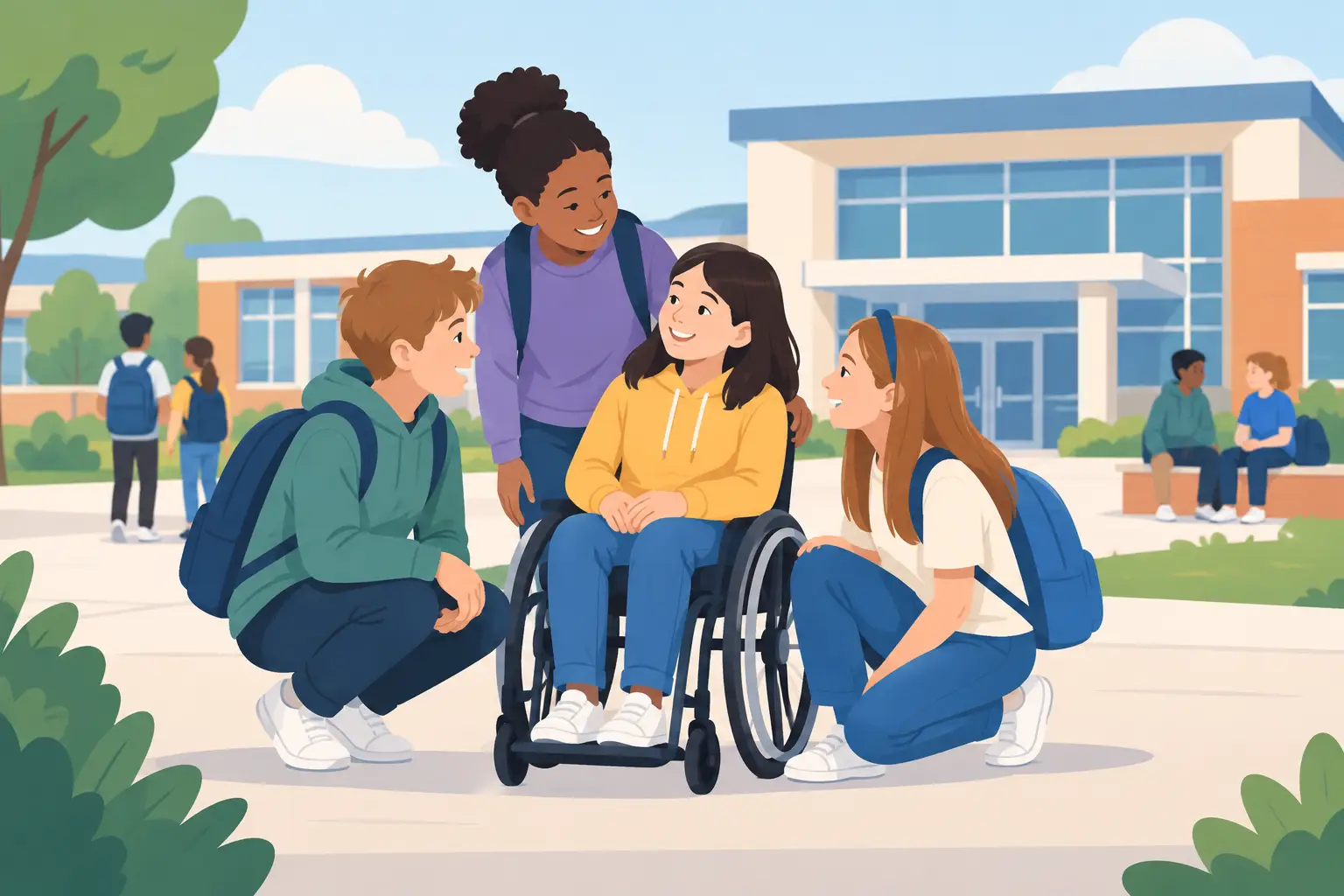
A student can be surrounded by classmates and still feel completely alone. They may eat lunch in the restroom, go silent during group work, avoid the bus, or stay home when the pressure becomes too much. Social exclusion is not always loud or visible, but its effects can be lasting. Understanding how schools prevent social exclusion starts with treating belonging as a daily responsibility, not a one-time assembly theme.
Exclusion can show up as repeated rejection, rumors, online group chats designed to leave someone out, refusal to partner with a classmate, or an unspoken social rule that certain students do not belong. It can affect any child, though students who are new, disabled, LGBTQ+, from marginalized racial or cultural backgrounds, struggling socially, or perceived as different may face greater risk. Schools cannot control every friendship, but they can build conditions where cruelty, isolation, and bystander silence are less likely to take hold.
How Schools Prevent Social Exclusion Before It Escalates
Prevention begins before a student reaches a crisis point. A school climate is shaped in hallways, cafeterias, classrooms, locker rooms, buses, and digital spaces. When adults consistently notice students, use inclusive language, and respond to small acts of exclusion, they send a clear message: every student has a place here.
That message must be backed by systems. Students need trusted adults they can approach without fear of being dismissed or labeled a tattletale. Families need to know who to contact and what will happen after they raise a concern. Staff need a shared definition of social exclusion and clear expectations for responding to it. Without those pieces, schools may recognize the harm but leave students carrying it alone.
Make belonging visible in daily routines
Some of the most effective practices are ordinary and repeatable. Teachers can rotate partners and small groups rather than allowing the same social patterns to harden. They can plan cooperative work with meaningful roles, so no student is left watching while others decide who matters. Staff can greet students by name, notice changes in behavior, and check in privately when a child seems withdrawn.
These actions should not force friendships or put a singled-out student under a spotlight. A well-meaning public announcement that a child needs friends can deepen embarrassment. The goal is to create more natural opportunities for connection while protecting a student's dignity.
Lunch and recess deserve particular attention. These are often the times when exclusion is most painful and least supervised. Schools can organize interest-based clubs, peer welcome teams, structured recess options, and low-pressure activities that give students a reason to join in. The right approach depends on the age group and school culture, but unstructured time should never mean unsupported time.
Teach social skills, not just rules
A rule against bullying is necessary, but rules alone do not teach students how to include someone, disagree without humiliating them, or speak up when a friend is being targeted. Students need practice with empathy, conflict resolution, digital citizenship, and respectful communication.
That learning works best when it is built into regular instruction and reinforced by adults. A classroom conversation about exclusion should include realistic situations: What do you do when your friends want to freeze someone out? How do you invite a new student into a group without making them feel like a project? What can you say when a group chat turns cruel?
Bystanders are central to this work. Many students see exclusion but do not intervene because they fear becoming the next target or do not know what to say. Give them specific, safe options: sit with the student who is alone, refuse to pass along a rumor, save evidence of harmful messages, tell a trusted adult, or redirect a group conversation. Not every student can confront peers directly, and schools should never demand that they do. They can, however, make help-seeking and small acts of courage part of the culture.
Build an Adult Response Students Can Trust
Students quickly learn whether reporting leads to support or disappointment. If adults minimize exclusion as "just drama," tell a child to ignore it, or address the situation publicly without a plan, students may stop asking for help. A prompt, calm, and consistent response protects both the targeted student and the broader school community.
When a concern is reported, begin by listening. Ask what happened, where it happened, who was involved, whether it has happened before, and how the student is feeling. Document patterns, including online behavior that affects the school day. One incident may not tell the whole story; repeated exclusion often becomes clear only when adults connect information across classrooms, activities, and families.
Then respond in a way that matches the harm. Sometimes a student needs immediate safety planning, counseling support, or a change in seating, transportation, or supervision. Sometimes the students involved need restorative conversation, accountability, and coaching on repair. Restorative practices can be valuable when participation is voluntary, safety is protected, and the student who was harmed is not pressured to forgive or reconcile. They are not a substitute for consequences when behavior is serious or ongoing.
Adults also need to avoid treating the student who is excluded as the problem to fix. Encouraging confidence or social skills can be helpful, but it must never replace addressing the conduct of those doing the excluding. The responsibility belongs with the people causing harm and with the institution responsible for student safety.
Give Students a Real Role in Inclusion
Students know where exclusion happens, which social pressures are growing, and which adult responses feel trustworthy. Their insight should shape prevention plans. Student councils, peer leadership groups, affinity groups, and school climate teams can identify barriers that adults may miss.
Meaningful student voice is more than asking for poster slogans during an awareness week. Invite students to help review reporting options, suggest improvements for lunch or arrival time, develop peer-led campaigns, and share what inclusion looks like in their school. Make room for students who are not already the most visible leaders. Quiet students, new students, and students with direct experience of exclusion often bring essential perspective.
Peer programs require adult training and supervision. Students can be powerful advocates, but they should not be expected to mediate serious conflicts, investigate reports, or carry another student's safety on their own. Their role is to help create connection and encourage support, while trained adults remain accountable for intervention.
Partner With Families and the Community
A child may show the first signs of social exclusion at home: headaches before school, sudden isolation, changes in sleep, reluctance to attend activities, or a sharp drop in confidence. Families need clear, nonjudgmental communication from schools about what to watch for and how to report concerns.
When a family reaches out, respond with care and specifics. Explain the next steps, identify a point person, and follow up after action is taken. Do not promise outcomes that cannot be guaranteed, but do promise that the concern will be taken seriously. Families also benefit from guidance on preserving digital evidence, helping their child practice what to say, and avoiding direct confrontations with other students that can make a situation worse.
Community partners can expand a school's capacity. Counselors, youth organizations, mental health providers, mentors, and local advocates can reinforce the message that every child deserves safety and belonging. End Bullying Today brings this shared responsibility into focus by helping school communities turn awareness into coordinated action through education, conversation, and engagement.
Measure What Students Actually Experience
Schools often track discipline referrals, but social exclusion may never appear in those records. Anonymous climate surveys, attendance patterns, nurse visits, counseling referrals, and student listening sessions can reveal concerns earlier. Look at the data by grade level, location, student group, and time of day to identify where support is needed.
Numbers should lead to action, not sit in a report. If students identify the cafeteria as a place where they feel unwelcome, increase adult presence and create better connection opportunities there. If new students report difficulty entering social circles, strengthen orientation and peer support. If online exclusion spills into classrooms, address digital behavior directly rather than treating it as separate from school climate.
Progress may be uneven. A school that encourages reporting may initially see more reports, not fewer. That can be a sign that students trust adults enough to speak. The meaningful measure is whether reports receive timely responses, students feel safer, and fewer young people are left isolated over time.
Every student should be able to walk into school expecting more than academic instruction. They should expect to be seen, respected, and protected by a community willing to act. Start with one overlooked space, one stronger reporting process, or one conversation with students who have been left out. Consistent action is how belonging becomes real.