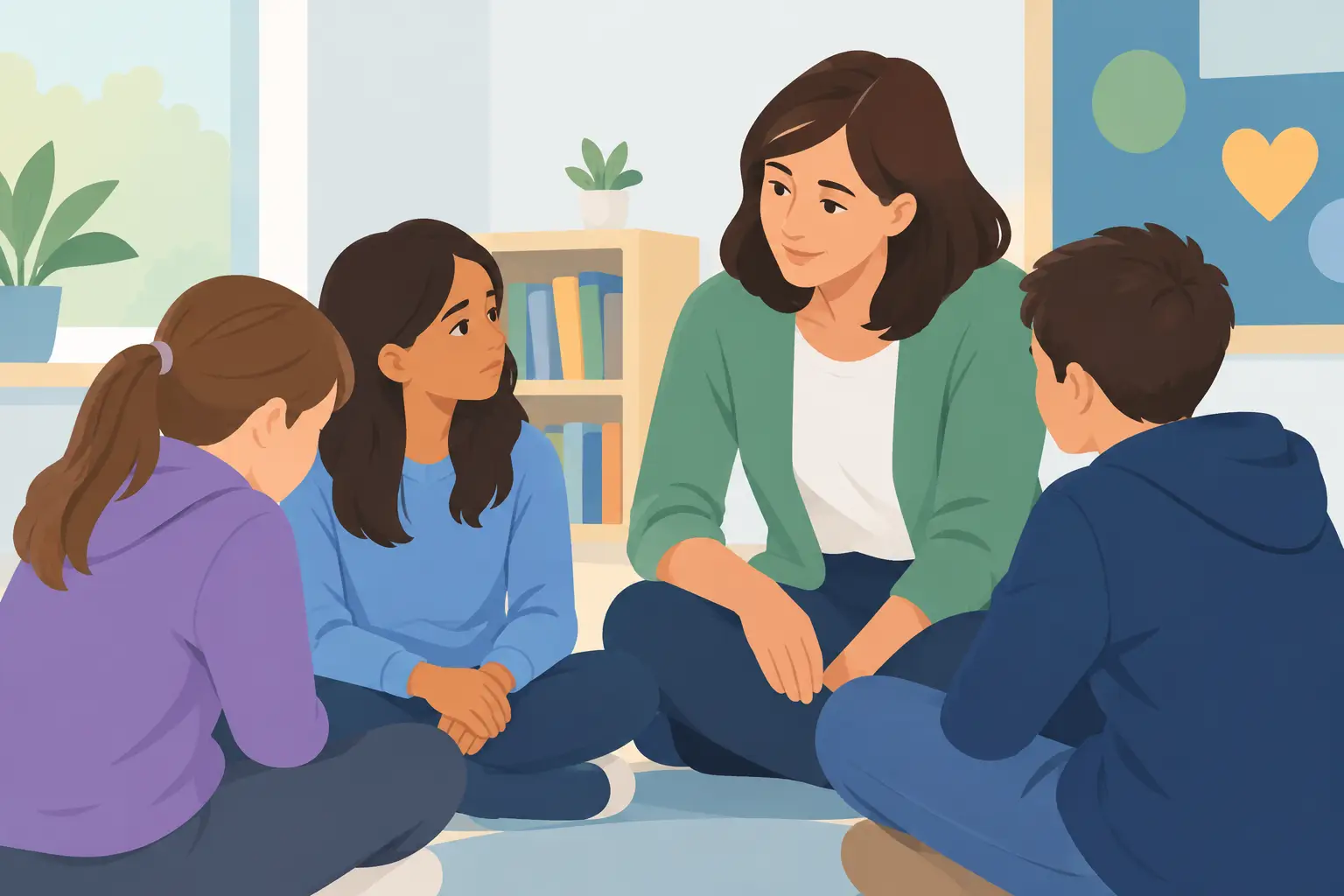
A student who is suddenly left out of every group project may not be able to point to one dramatic incident. Another may hear that friends are sharing rumors in a group chat after school. These are not small social problems when they become patterns of harm. Knowing how teachers address relational aggression can determine whether a student feels protected, believed, and able to stay connected to school.
Relational aggression uses relationships to hurt, control, embarrass, or isolate someone. It can include intentional exclusion, rumor-spreading, public humiliation, friendship threats, social media pile-ons, and recruiting peers to turn against a student. It is often quiet, deniable, and difficult for adults to witness. That does not make it less serious.
Name the Behavior Without Minimizing It
Teachers do not need to label every disagreement as bullying. Students will have conflicts, change friendships, and make mistakes. The key question is whether there is a pattern of targeted behavior, a power imbalance, or harm that leaves one student isolated or afraid of further consequences.
A useful response starts with precise language. Rather than saying, “They are just being mean,” describe what is happening: “Several students have repeatedly excluded Maya from shared work and encouraged others not to sit with her.” Specific language helps adults avoid dismissing the concern as ordinary drama. It also helps students understand that exclusion, manipulation, and rumor-spreading are choices with real impact.
Teachers should avoid asking the harmed student why they did not simply find different friends or ignore the situation. That can shift responsibility away from the students causing harm. Instead, communicate belief and care: “I am glad you told me. You deserve to feel safe here, and I am going to take this seriously.”
How Teachers Address Relational Aggression in the Moment
The first response should protect the student without putting them at greater risk. Publicly confronting every student involved can expose a child to retaliation or force them to reveal information before they are ready. A calm, private, and timely approach is usually more effective.
Separate, stabilize, and gather facts
If the behavior is happening in class, during lunch, or in a school activity, interrupt it clearly. Redirect groupings, assign seats, or bring in another trusted adult if needed. The goal is not to conduct an investigation in front of peers. It is to stop the immediate harm and restore a sense of safety.
Then speak with students separately. Ask open questions: What happened? Who was involved? Has this happened before? What occurred online, and has it affected school? Who else may have seen or heard it? Give students time to answer. Relational aggression can be hard to explain because each incident may sound minor on its own.
Listen for patterns. One student being left out of a single lunch table is not automatically bullying. A coordinated effort to isolate that student day after day, paired with rumors or threats of losing friends, calls for a more serious response.
Document patterns and follow school procedures
Brief, factual documentation matters. Record dates, locations, exact language when possible, students involved, witnesses, reported online activity, and steps already taken. Avoid assumptions or labels that are not supported by the information available. Documentation gives counselors, administrators, and families a clearer picture if the behavior continues or escalates.
Teachers should also know their school or district reporting process. Repeated aggression, threats, discrimination-based harassment, sexual harassment, self-harm concerns, or conduct that interferes with a student’s access to school requires prompt involvement from designated staff. Teachers should not be expected to carry a complex situation alone.
Create a safety plan with the student
Ask the student what would help them get through the school day. They may need a different partner for a project, a safe place at lunch, permission to check in with a counselor, or a discreet way to signal that they need support. Do not promise secrecy if safety or reporting requirements apply, but do explain what you will share and with whom.
Follow-up is part of protection. A quick check-in the next day can be powerful: “How did lunch go?” “Did anyone contact you after our conversation?” Students notice whether adults act once and disappear, or remain present when the social pressure continues.
Teach Accountability, Not Forced Friendship
Students who engage in relational aggression need accountability and support to change their behavior. Consequences may be necessary under school policy, especially when conduct is repeated or severe. But discipline alone does not teach students how to handle jealousy, conflict, status pressure, or anger without harming others.
Use conversations that focus on behavior, impact, and next steps. Ask students to identify what they did, how it affected others, and what they will do differently. They may need direct coaching in declining gossip, disagreeing without recruiting an audience, repairing an online mistake, or ending a friendship without cruelty.
A forced face-to-face apology is not always appropriate. It can pressure the harmed student to forgive before they feel safe, and it can become another opportunity for manipulation. Restorative conversations should be voluntary, carefully facilitated, and used only when the student who was harmed wants to participate. Repair may instead mean honoring boundaries, correcting a rumor, accepting consequences, and demonstrating changed behavior over time.
Make Belonging Part of Daily Classroom Practice
Prevention is not a single assembly or a poster on the wall. Teachers reduce relational aggression when students regularly practice inclusion, respectful disagreement, and shared responsibility for classroom culture.
Be intentional about group work. Do not always allow students to select their own partners, especially when social cliques are affecting participation. Rotate roles, teach collaboration expectations, and watch who is consistently sidelined. A student who is quiet may be overlooked; a student who is isolated may be actively excluded.
Build short discussions into class routines about what healthy friendships look like. Students benefit from concrete examples: keeping a confidence, saying no without humiliating someone, refusing to forward a screenshot, and including someone without treating them as a charity project. These conversations should not identify students or replay a current incident. They should establish community standards before the next conflict occurs.
Adults also set the tone through what they praise. Notice students who include others, interrupt gossip, invite a peer into a group, or ask for help when conflict starts. Recognition tells students that leadership is not about social control. It is about using influence to make the community safer.
Partner With Families and Student-Support Staff
Families may first hear about relational aggression through tears at bedtime, reluctance to attend school, changes in eating or sleep, or a sudden withdrawal from friends. When contacting caregivers, share observable facts and the steps the school is taking. Do not disclose confidential details about other students.
Invite caregivers to reinforce the same message at home: save relevant evidence, avoid retaliatory posts or parent-to-parent confrontations, and encourage the child to report new incidents to a trusted adult. Families deserve a clear point of contact and an appropriate timeline for follow-up.
Counselors, social workers, administrators, coaches, and activity leaders should also be part of the response when needed. Relational aggression rarely stays neatly inside one classroom. It can move through buses, teams, lunchrooms, group chats, and weekend events. A coordinated adult response makes it harder for harmful patterns to hide.
Schools that want to strengthen prevention can also bring the broader community into the work through student leadership, family education, staff training, and programs such as the End Bullying Today school tour. A safer climate grows when every adult knows how to respond and every student knows they have allies.
A student should never have to prove that social harm is serious enough to deserve help. When teachers notice patterns, respond with care, and keep showing up, they send a lasting message: belonging is not something students must earn from a clique. It is something their school community is responsible for protecting.