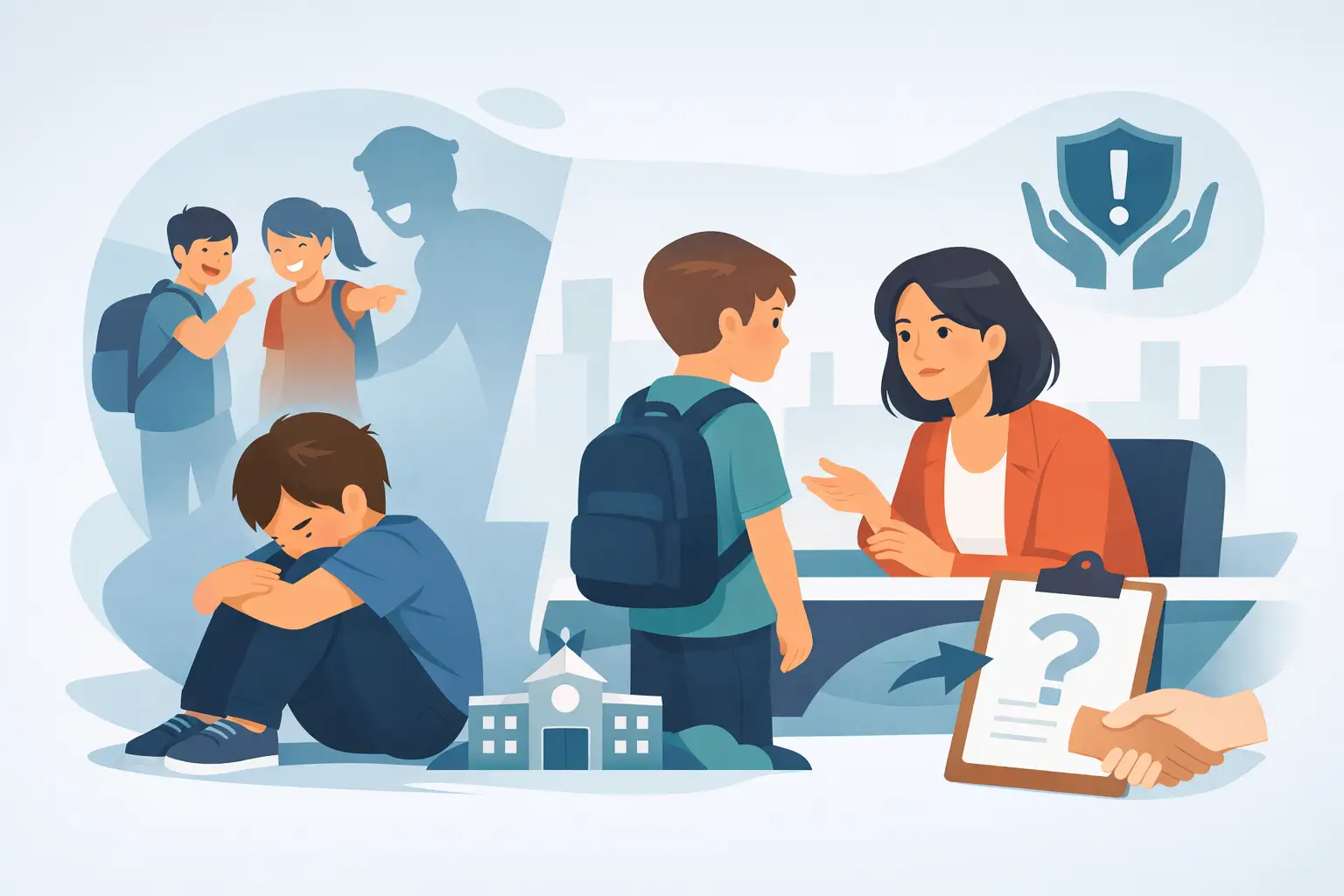
A student should not have to prove they are hurting before an adult steps in. When someone is being targeted, the most useful first step is often knowing how to report bullying at school clearly, safely, and in a way that prompts action. Whether you are a student, parent, teacher, or counselor, a report can open the door to protection, support, and accountability.
Bullying can be verbal, physical, social, or digital. It may look like repeated insults, threats, rumors, exclusion, unwanted touching, damage to belongings, or online posts that follow a student into the school day. A single serious incident also deserves attention, especially when it involves threats, bias, sexual harassment, or physical harm.
Start with safety, not paperwork
If there is immediate danger, tell the nearest trusted adult right away. Students can go to a teacher, counselor, principal, coach, school nurse, or front office staff member. If someone has been hurt, threatened with a weapon, or is at risk of harming themselves or someone else, call 911 or seek emergency help without waiting for a standard school report.
For a student who feels unsafe walking between classes, riding the bus, eating lunch, or going home, the school can often put short-term protections in place while it looks into the situation. That could mean a check-in with a counselor, a safe adult to contact, supervision in a problem area, a seating adjustment, or a plan for arrival and dismissal. These supports are not a punishment or an overreaction. They are practical ways to help a student remain connected to school.
Parents and caregivers should take a child’s concern seriously even if the details are incomplete. Children may minimize what happened, struggle to describe it, or fear retaliation. Start with calm questions: What happened? Who was there? When and where did it happen? Has this occurred before? What would help you feel safer tomorrow?
How to report bullying at school clearly
A verbal report matters, but a written record makes it easier for the school to understand the pattern and respond. Students may report on their own, with a parent or trusted adult, or anonymously if their school offers that option. Anonymous reporting can be a helpful starting point, though it may limit how much the school can investigate or follow up.
The report does not need legal language. It needs specific, honest information. Include the names of people involved if known, the date and location, what was said or done, whether anyone saw it, and how it affected the student’s safety or ability to learn. If bullying happened online, save screenshots, messages, usernames, dates, and times before blocking or deleting content.
A direct report might say: “On Tuesday during lunch, two students repeatedly called me names about my disability in front of other students. This has happened three times this month. I am afraid to sit in the cafeteria and need help staying safe.” Specific language gives school staff a place to begin.
Avoid pressuring a student to confront the person who bullied them or to gather more evidence by putting themselves at risk. Documentation is useful, but safety comes first. A student’s account is enough to justify adult attention and a prompt check-in.
Who should receive the report?
Start with the adult most likely to act quickly and protect the student. For many families, that is the classroom teacher, school counselor, assistant principal, or principal. If the concern involves one of those adults, report to another administrator or the district office.
Ask the school where its bullying report form, student code of conduct, and complaint procedures are located. Every district handles reports somewhat differently. Some use online forms; others ask families to email administrators or submit a written statement. Follow the school’s process when possible, but do not let uncertainty delay a safety concern.
When sending an email or written report, request confirmation that it was received. Keep a copy for your records. A brief subject line such as “Bullying concern and student safety request” helps make the purpose clear.
Document patterns without making a child relive them
Keep a simple record after each incident or school contact. Note what happened, when it happened, who was told, and what response was offered. Save relevant emails, screenshots, photographs of damaged property, and notes from meetings. This record can help identify a pattern if the behavior continues.
Documentation should not become an exhausting investigation led by the student. The goal is not to make a child repeatedly retell painful events. It is to give adults enough information to take responsibility. Let the student decide when they need a break, and reassure them that reporting was the right choice.
Teachers and school staff can support this process by recording concerns promptly and using the student’s own words where appropriate. Do not dismiss a report as “drama,” “conflict,” or “kids being kids” before gathering facts. Conflict generally involves an imbalance-free disagreement between peers. Bullying involves behavior that harms or targets someone and may include a power imbalance, repetition, or a credible threat of repetition.
Ask what happens next
A report should lead to more than “we will look into it.” Before leaving a meeting or ending a call, ask who will follow up, when you should expect an update, and what immediate safety supports are available. Families can also ask how the school will protect privacy while investigating.
Schools cannot always share discipline details about another student. That privacy limit can feel frustrating, but it does not mean the reporting family should be left without information. Staff can explain the steps being taken to support the targeted student, monitor the situation, and prevent retaliation.
Useful follow-up questions include:
- What is the student’s safety plan for the next school day?
- Who is the designated staff contact for updates?
- How will the school check whether the behavior has stopped?
- What should the student do if it happens again?
- When will we meet or speak again to review progress?
A follow-up date matters. Bullying often occurs in less supervised places, such as hallways, buses, locker rooms, group chats, and after-school activities. A plan that looks good on paper may need adjustment once the student returns to those settings.
When the report involves bias, disability, or harassment
Some bullying may also be discriminatory harassment. If a student is targeted because of race, color, national origin, religion, sex, sexual orientation, gender identity, disability, or another protected characteristic, say so in the report. Schools have additional responsibilities when harassment limits a student’s ability to participate in education.
Likewise, a student with a disability may need accommodations or supports through an existing 504 plan or individualized education program. Families can request a meeting to discuss how bullying is affecting attendance, behavior, learning, transportation, or access to services. The right response depends on the situation, but the impact on the student should be part of the conversation.
Cyberbullying also deserves a report when it affects school safety or the student’s school experience, even if the post or message was created off campus. Save the evidence, report the content through the platform when appropriate, and tell the school how it is affecting the student during class, on the bus, or among peers.
If the school response is not enough
Sometimes a first report is handled well. Sometimes it is not. If the behavior continues, retaliation occurs, or you do not receive a timely response, follow up in writing and ask to meet with the principal. Bring your incident record and focus on facts, safety needs, and the actions still needed.
If concerns remain unresolved, contact the district’s student services office, superintendent’s office, civil rights coordinator, or special education office, depending on the issue. Ask for the district’s formal complaint or grievance process. Escalation is not about attacking school staff. It is about ensuring that a student’s right to learn in a safe environment is treated with urgency.
Students who witness bullying have a role, too. They do not need to intervene physically or put themselves in danger. They can tell an adult, save relevant information, sit with someone who has been excluded, and refuse to spread rumors or share harmful posts. One student choosing not to participate can change the social reward that bullying depends on.
Build a response that lasts beyond one incident
A report is strongest when it is part of a school culture that makes speaking up normal. Administrators can make reporting options visible, train staff to respond consistently, review supervision in high-risk areas, and communicate clearly with families. Teachers can name respectful behavior, create predictable routines for seeking help, and check in with students who seem isolated.
Prevention also requires the wider community. Families, students, educators, local advocates, and supporters each have a role in creating schools where empathy is practiced and harm is addressed early. End Bullying Today works to turn that shared responsibility into action through school-centered education and community engagement.
The next report may begin with one quiet sentence from a student: “I need help.” Make sure the answer is clear, steady, and immediate: “I believe you. You did the right thing. We will work on this together.”