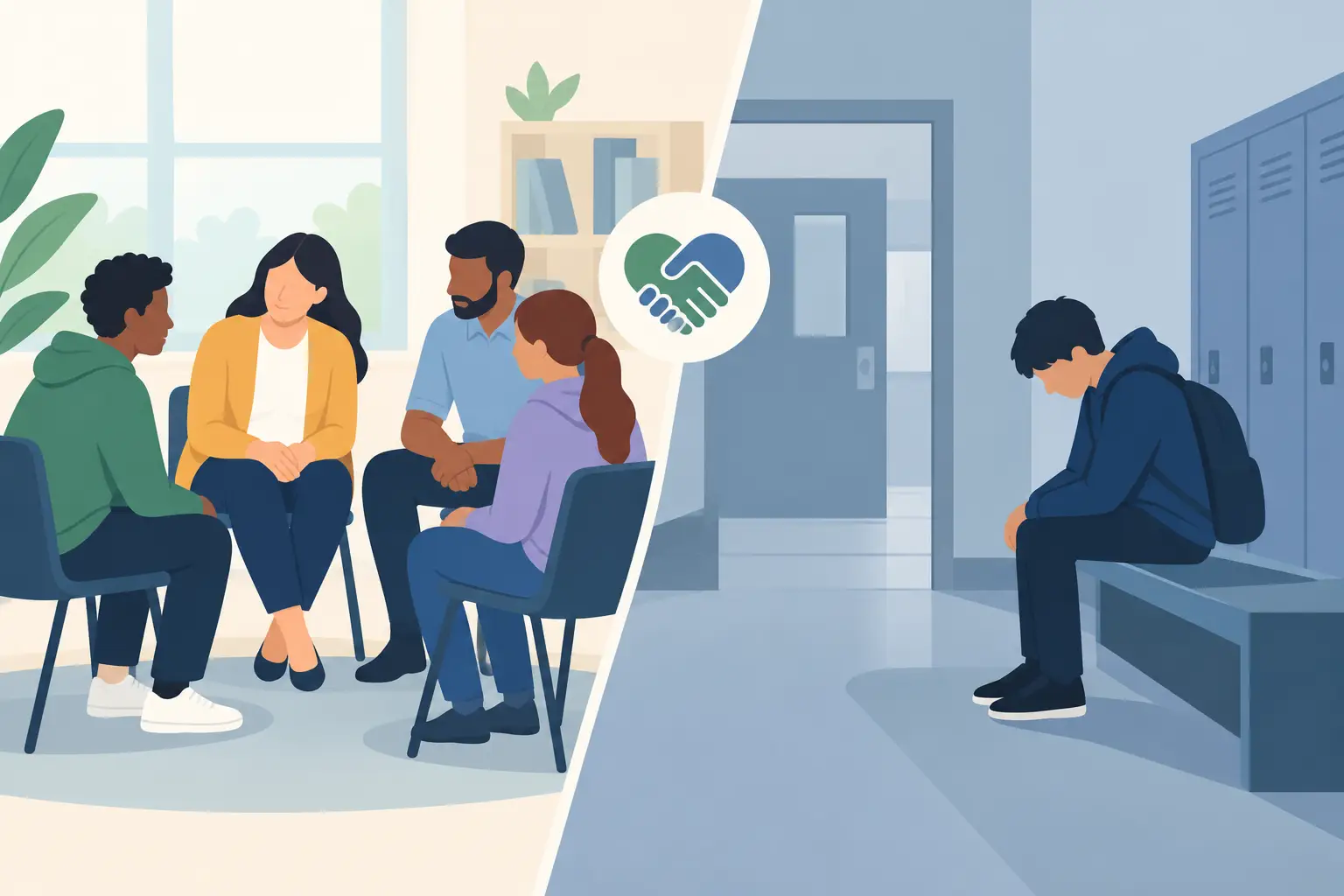
A student posts humiliating messages about a classmate, then laughs when the screenshots spread. Another student responds with threats in the hallway. By lunchtime, families are calling, students are afraid, and staff need to act. The question of restorative practices versus suspension is not an abstract discipline debate in moments like these. It is a question of how a school stops harm, protects students, and teaches accountability that lasts.
Suspension can create immediate distance after serious misconduct. Restorative practices can help students understand the impact of their actions and repair relationships when repair is appropriate. Strong schools do not treat either response as automatic. They make safety, dignity, facts, and follow-through the standard.
Why suspension alone rarely solves bullying
Suspension is sometimes necessary. A student who makes credible threats, commits physical violence, repeatedly harasses a peer, retaliates against someone who reported harm, or creates an immediate safety risk may need to be removed from the setting while the school investigates and plans next steps. Schools also must follow district policy, state law, special education requirements, and due process protections.
But suspension by itself does not explain why the behavior happened, build skills the student lacks, or reassure the student who was harmed that adults will keep them safe when the other student returns. A few days away from school may interrupt a conflict without changing the conditions that fed it.
For students who engage in bullying, exclusion can sometimes deepen disconnection, academic stress, and resentment. For students targeted by bullying, a suspension may feel validating at first but incomplete if rumors continue, friends take sides, or the student still has to face the same social environment every day. The goal cannot be simply to remove a problem from campus for a set number of days. The goal is to prevent more harm.
This does not mean schools should minimize bullying or excuse it as a conflict. Bullying involves a real or perceived power imbalance and repeated or likely repeated harm. A student being targeted should never be asked to carry equal responsibility for someone else's intimidation, harassment, or cruelty.
Restorative practices versus suspension: the real choice
The real choice is not between being "soft" and being "tough." It is between responses that are reactive only and responses that pair clear consequences with meaningful accountability.
Restorative practices are structured ways to address harm, strengthen relationships, and rebuild trust. They can include private restorative conversations, written reflection, skill-building plans, circles that build community before problems arise, and carefully facilitated repair agreements. The work asks direct questions: Who was harmed? What happened? What needs to happen now to make things as right as possible? How will adults know the behavior has changed?
A restorative response should have standards. The student who caused harm must acknowledge the behavior without blaming the target, show willingness to participate, and complete concrete actions over time. Those actions might include ending online harassment, returning or replacing damaged property, writing a genuine letter of accountability if the harmed student wants one, attending counseling or social-emotional skill support, and accepting increased adult supervision.
The harmed student must have choice. They may want a voice in the process, or they may want no contact at all. Both are valid. Restorative practice is not a requirement that a student forgive, reconcile, meet face-to-face, or explain their pain to the person who harmed them.
When suspension may be part of a responsible response
There are situations where a restorative meeting is not appropriate, at least not immediately. Safety comes first. If facts are still unclear, emotions are highly escalated, retaliation is likely, or a student denies conduct that evidence supports, a joint process can cause more damage.
Suspension may be warranted when it is necessary to protect the school community or comply with policy. Yet even then, the work should not stop at the suspension notice. Before a student returns, school leaders can create a reentry plan that identifies supports, expectations, supervision, and consequences for further harm.
A useful reentry plan is specific. It names where the student will check in, which adults the student can approach, how social media concerns will be handled, and what behavior will demonstrate progress. It also protects the targeted student from being placed in a forced encounter or assigned responsibility for monitoring the other student's behavior.
For repeat bullying, schools should look beyond the latest incident. Patterns matter. Is the student seeking status through humiliation? Is a peer group rewarding the behavior? Are adults missing harassment in hallways, buses, locker rooms, or group chats? Consequences should be firm, but prevention requires adults to see the system around the behavior.
What a safe restorative process looks like
Restorative work is not a quick conversation after lunch. Done well, it requires trained facilitators, preparation, documentation, and time. It begins with separate conversations, not a forced meeting.
Staff should first listen carefully to the student harmed, identify immediate needs, and make a safety plan. That plan may include schedule changes, a trusted adult check-in, transportation support, seating adjustments, counseling referral, or monitoring of online and in-person contact. It should be reviewed, not filed away.
Next, staff should meet with the student who caused harm. The conversation should be direct about the behavior, its impact, and the school's expectations. Adults can be compassionate without becoming vague. A student may have unmet needs, trauma, peer pressure, or weak emotional regulation skills. Those factors can guide support, but they do not erase responsibility.
Only after preparation should a facilitator consider whether any shared dialogue is appropriate. In some cases, indirect repair is safer and more meaningful than a face-to-face conference. The harmed student decides whether to participate and may bring a parent, counselor, advocate, or trusted staff member if a meeting occurs.
Follow-up is where credibility is won or lost. Check in with the harmed student regularly. Verify that agreements are being kept. Address retaliation immediately. If the student who caused harm does not follow through, the school must respond with additional consequences and supports rather than quietly closing the case.
Build prevention before discipline is needed
The most effective restorative practices happen before a major incident. Classrooms that routinely teach students how to listen, disagree, apologize, seek help, and include others are better prepared when conflict occurs. Students also need clear reporting options and repeated assurance that reporting bullying is not "snitching." It is a way to keep people safe.
School leaders can strengthen this work by training staff to distinguish conflict from bullying, reviewing discipline data for unequal impacts, and asking students where they feel unsafe. Families need plain-language communication about how to report concerns, what an investigation involves, and how the school will protect privacy while still taking action.
Students have a role, too. They can refuse to share humiliating content, save evidence, report threats, include isolated peers, and speak up when a joke becomes cruelty. Bystanders can change the social reward that keeps bullying alive.
Accountability should leave students safer
A school should never use restorative language to avoid hard decisions. Nor should it rely on suspension because it is the fastest visible response. The right approach depends on the severity of harm, safety risks, the students' willingness and capacity to participate, and the supports available.
For schools weighing restorative practices versus suspension, the strongest answer is often a layered one: protect the harmed student immediately, apply proportionate consequences, require genuine accountability, and build a plan that prevents recurrence. Every student deserves a school community where harm is addressed clearly, help is available early, and adults work together until safety is real.