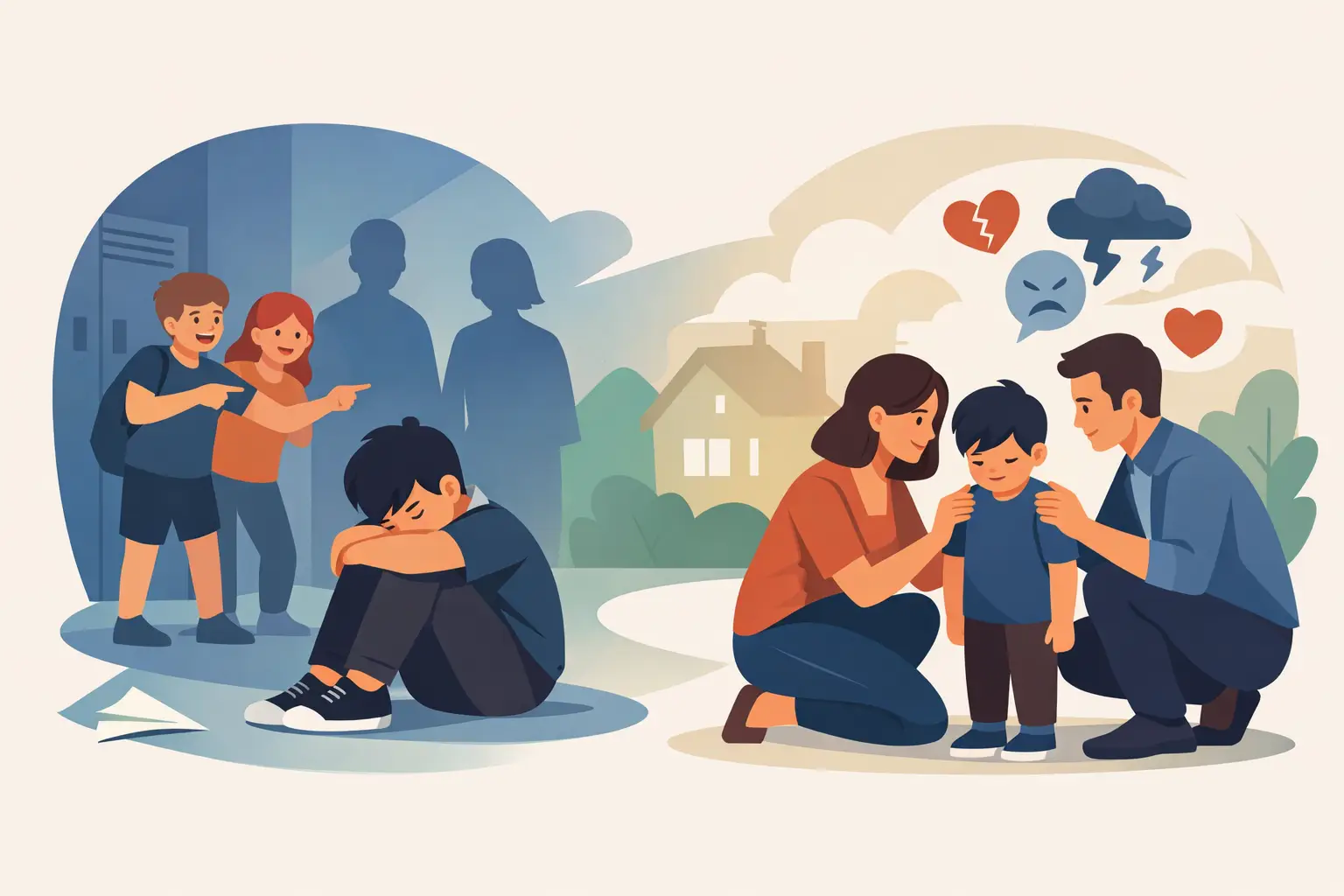
A child may mention bullying in a single sentence at bedtime, then quickly change the subject. Or they may stop asking to ride the bus, complain of stomachaches each morning, or suddenly retreat from friends they once loved. When parents ask what they should do about bullying, the first answer is not to rush past the child’s experience. Slow down, listen carefully, and make it clear: you believe they deserve to feel safe.
Bullying is not a childhood rite of passage. Repeated, unwanted behavior that involves a real or perceived power imbalance can cause lasting harm to a student’s confidence, attendance, learning, and mental health. It also affects classmates, educators, and families. Addressing it is shared work, and parents have a vital role in moving concern into action.
What Parents Should Do About Bullying First
Begin with calm, specific questions. Ask what happened, where it happened, who was involved, whether anyone saw it, and how often it has occurred. Let your child tell the story in their own words before offering solutions. A strong first response can be as simple as: “Thank you for telling me. This is not your fault. We will figure out the next step together.”
Avoid promising secrecy if you may need to contact the school. Instead, explain that you will respect their privacy as much as possible while getting help. Children can fear retaliation, being labeled a tattletale, or losing control of the situation. Giving them honest information about what will happen next helps rebuild that sense of control.
Write down the details while they are fresh. Include dates, times, locations, names, exact words or actions when possible, witnesses, and any impact on your child. Save relevant texts, screenshots, emails, photos, or social media posts. Documentation is not about building a case against another child. It helps adults recognize patterns, communicate accurately, and respond to the actual behavior rather than a vague report.
If there is an immediate threat, physical injury, sexual harassment, hate-based harassment, stalking, or fear that a child may hurt themselves or someone else, seek urgent help. Contact school leadership and appropriate emergency or crisis support right away. Safety comes before procedure.
Contact the School With a Clear Request
Families should not have to solve bullying alone. Reach out to the teacher, counselor, principal, or designated school contact according to the school’s reporting process. Keep the message factual and focused: describe what your child reported, share the documentation you have, explain the impact, and ask what steps the school will take to ensure safety.
It can help to request a meeting when the situation is ongoing or serious. Go in prepared to partner, but be direct about the need for action. Ask who will be your point of contact, how your child can report another incident during the school day, what supervision or support will be added, and when you should expect an update.
Schools must balance transparency with student privacy. They may not be able to tell you every consequence another student receives. That does not mean they should leave you without information. They should be able to explain how they are addressing safety, monitoring the situation, supporting your child, and preventing recurrence.
Follow up in writing after meetings. A brief email that confirms what was discussed creates a shared record and reduces confusion. If the problem continues, escalate respectfully through the school’s established chain of communication or district process. Persistence is not being difficult when your child’s safety and access to education are at stake.
Help Your Child Build a Safety Plan
A safety plan is not a demand that a child handle bullying alone. It is a practical agreement between the child, family, and school about what they can do in the moment and which adults will respond.
Identify safe adults at school, safe places during unstructured times, and a simple way for your child to ask for help. This might include checking in with a counselor before lunch, sitting near supportive peers on the bus, or using a predetermined phrase with a teacher. The right plan depends on the child’s age, school setting, and the nature of the behavior.
Practice short responses only if your child feels comfortable using them. “Stop.” “That’s not okay.” “I’m getting an adult.” These statements can help some students disengage, but they are not a solution to persistent bullying. Never place responsibility for ending abuse on the child being targeted.
Support connection outside the conflict as well. Encourage time with trusted friends, activities that build confidence, and routines that make home feel predictable. Watch for changes in sleep, appetite, mood, grades, attendance, or willingness to participate in things they usually enjoy. A pediatrician or mental health professional can be an important partner when distress is affecting daily life.
Do Not Turn Conflict Into Forced Reconciliation
Not every hurtful interaction is bullying. Children can have disagreements, social mistakes, and conflicts where everyone needs support to repair harm. But repeated behavior tied to a power imbalance requires a different response.
Be cautious about face-to-face mediation or an apology meeting when a child feels unsafe, there has been harassment, or the power imbalance is clear. A forced conversation can increase fear or pressure a child to forgive before they are ready. Accountability matters, but it should be developmentally appropriate, guided by trained adults, and centered on safety.
The same care applies when your child has been accused of bullying. Listen without immediately dismissing the report or assuming the worst. Ask open questions, take the concern seriously, and work with the school to understand the behavior and its impact. A child who has caused harm needs clear limits, meaningful accountability, and help developing empathy and healthier ways to manage conflict, status, anger, or insecurity.
If Your Child Witnesses Bullying
Bystanders often carry the weight of what they see. Teach your child that they do not have to confront someone who seems unsafe or powerful. They can move toward an adult, invite the targeted student to join them, save evidence of online harassment, or report what they saw.
One supportive peer can interrupt isolation. A text that says “I saw what happened. Are you okay?” or an invitation to sit together at lunch may not solve the larger problem, but it tells a student they are not alone. Encourage your child to report patterns, even if they are not the direct target. Silence can make harmful behavior seem acceptable.
Build the Kind of School Community That Prevents Harm
Bullying prevention cannot rest on a single assembly, a poster, or one family’s persistence. Students need consistent expectations, trusted adults, inclusive classrooms, clear reporting pathways, and responses that address harm before it becomes entrenched.
Parents can strengthen that work by attending school meetings, asking how climate concerns are tracked, supporting counselors and student-support staff, and encouraging programs that include students in creating safer communities. Schools also benefit when families, educators, local leaders, and community partners share responsibility instead of treating bullying as someone else’s problem.
End Bullying Today believes awareness must lead to coordinated action. When adults listen, document concerns, respond early, and stand beside students, they send a powerful message: every child belongs here, and every child deserves to learn without fear.
Your child may not remember every policy or meeting. They will remember whether the adults in their life took them seriously. Be the steady voice that says, “You are not alone, and we are going to act.”