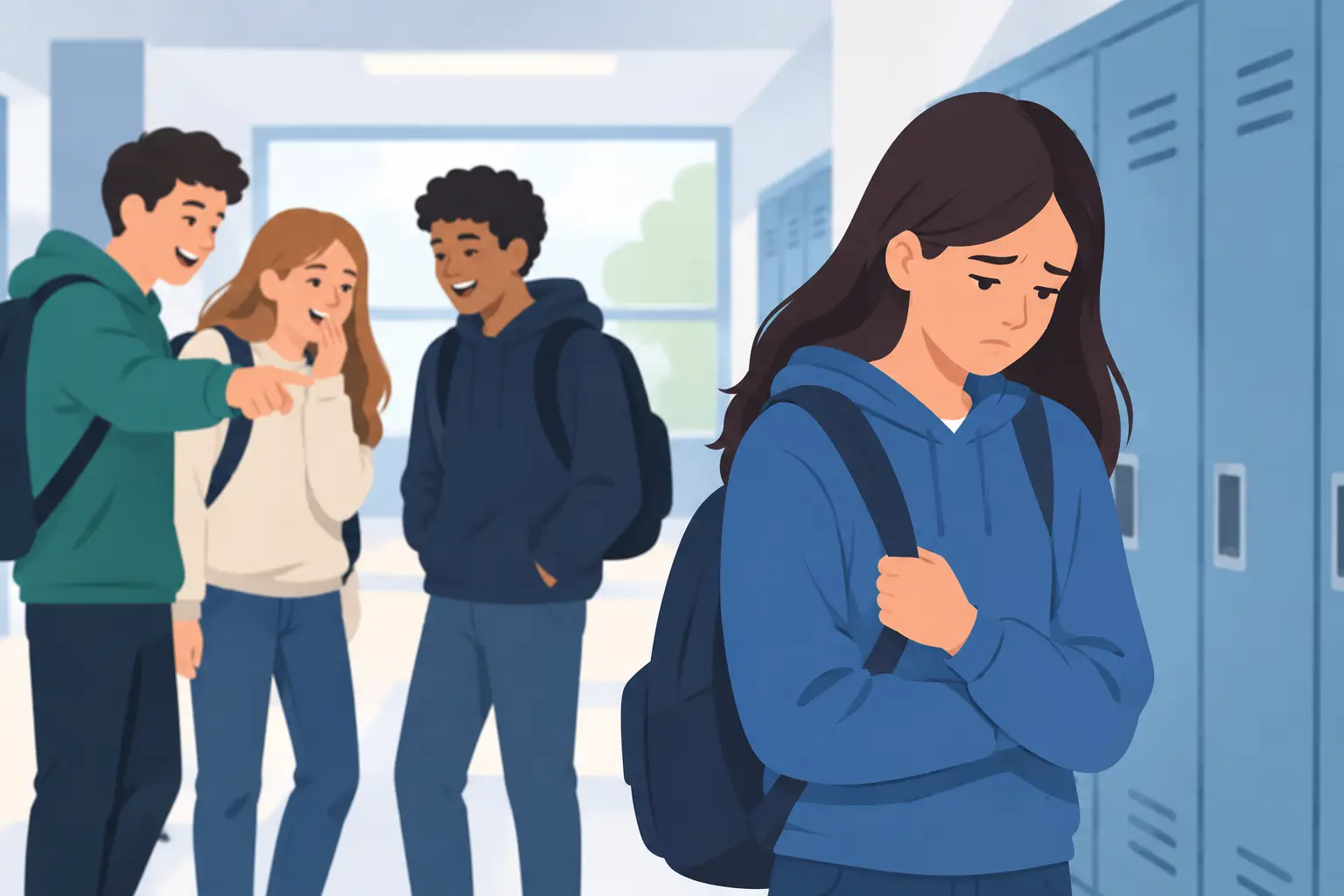
A student laughs along when classmates call him a nickname during lunch. By the end of the week, he starts taking a longer route to avoid the cafeteria. A teacher hears only the laughter, not the comment that prompted it. This is why asking when does teasing become harassment matters: the line is not defined by whether someone claims they were joking. It is defined by impact, pattern, power, and whether the behavior continues after harm is clear.
Schools do not need to wait for a crisis before responding. Small comments, repeated jokes, and group exclusion can grow into a climate where students feel unsafe, isolated, or unwelcome. Recognizing the difference early gives adults and students a chance to interrupt harm before it becomes entrenched.
When Does Teasing Become Harassment?
Teasing can be mutual, brief, and welcome. Friends may joke with each other, and both people may genuinely feel comfortable participating. But teasing stops being harmless when it targets a student in a way that causes distress, humiliation, fear, or exclusion.
Harassment often has a repeated quality, but a single incident can still require a serious response. A sexual comment, a racial slur, a threat, the sharing of a humiliating image, or an attack on a student’s disability, gender identity, religion, or other identity can cause immediate harm. Adults should not dismiss conduct simply because it happened once or because the student who caused harm says, “I didn’t mean it that way.”
The clearest question is not, “Was it meant as a joke?” Ask instead: “Did it make someone feel targeted, unsafe, or unable to fully participate in school?” Intent can help explain a situation, but it does not erase impact.
Four Signs the Line Has Been Crossed
No single checklist can capture every student experience. Still, school communities should pay close attention when behavior includes four common features.
It is unwanted. A student has asked for the comments, nickname, touching, messages, or jokes to stop, or has shown through their behavior that they are uncomfortable. Silence is not consent. Some students laugh, freeze, or go along with a joke because they are trying to protect themselves.
It is repeated or escalating. The same joke returns day after day. More students join in. Comments move from the hallway to group chats, gaming platforms, or social media. Repetition can make a student feel there is no safe place to go.
It involves a power imbalance. Power may come from popularity, age, physical size, social status, a group acting against one student, or control over embarrassing information or images. A student may be unable to defend themselves without risking more harm.
It targets identity or access. Conduct based on race, national origin, religion, sex, sexual orientation, gender identity, disability, or other protected characteristics may raise legal and policy concerns. It can also deny a student equal access to learning when fear, absences, anxiety, or isolation interfere with school participation.
These signs may point to bullying, harassment, or both. The labels matter for reporting and legal obligations, but the immediate duty is simpler: protect the student, document what happened, and address the behavior.
The Impact Can Be Easy to Miss
Students do not always use the word “harassment.” They may say they do not want to go to school, ask to change seats, suddenly stop participating, or complain of headaches and stomachaches. They may withdraw from friends, lose sleep, or become unusually angry after checking their phone.
For staff, a change in behavior is a reason to check in privately. A calm question such as, “I noticed you have seemed uncomfortable in class lately. Is something happening that you want me to know?” can open a door. Do not press a student to disclose in front of peers or promise total secrecy. Instead, explain that you will share information only with people who need to help keep them safe.
Families can look for patterns, too. A child who insists that everything is fine may still need support. Make it clear that reporting is not tattling. Reporting is asking adults to help stop behavior that is causing harm.
“They Were Just Joking” Is Not a Solution
“Just joking” is one of the most common ways students and adults minimize harmful behavior. Sometimes a student truly did not understand the impact of their words. That creates an opportunity for education and accountability. It does not mean the student who was hurt must accept the behavior.
A useful response separates intent from responsibility: “You may not have intended to hurt someone. They were hurt, and the behavior must stop.” This approach avoids labeling a child as permanently bad while remaining firm about the standard for safety and respect.
Adults should also avoid forcing an immediate face-to-face apology or mediation. When there is a power imbalance, ongoing harassment, or fear of retaliation, requiring students to sit together can deepen harm. The first priority is safety. Repair may be possible later, but it must be voluntary, supported, and appropriate to the situation.
What Schools Should Do After a Report
Every school and district should follow its own policies and applicable civil rights procedures. The specific response will depend on the severity of the behavior, whether it is ongoing, and whether protected characteristics are involved. Still, a strong initial response has several consistent parts.
First, listen without blame. Thank the student for speaking up, gather the basic facts, and ask what would help them feel safer today. Avoid questions that suggest the student caused the problem, such as “Why did you react?” or “What did you do first?”
Next, document the report and preserve relevant evidence. Dates, locations, witnesses, screenshots, and exact language can help schools identify patterns that a single adult might not see. Digital harassment deserves the same attention as conduct that occurs on campus when it affects a student’s school experience.
Then take prompt steps to stop further harm. That might include increased supervision, seating changes that do not punish the targeted student, a check-in plan with a trusted adult, or clear directives to students involved. Communicate with families according to policy, while protecting student privacy.
Finally, follow up. A response is incomplete if no one checks whether the conduct stopped. A student who reports harassment may worry about retaliation or may believe nothing changed. Scheduled follow-ups send a different message: adults are paying attention, and the student is not carrying this alone.
What Students Can Do Safely
Students should never be expected to solve harassment by themselves. If it feels safe, a student can clearly say, “Stop. That is not okay.” But speaking up is not required for an experience to be real or reportable.
Students can save messages and screenshots, write down what happened, and tell a trusted adult at school and at home. Bystanders can make a meaningful difference by refusing to laugh or share harmful content, checking in privately with the targeted student, and reporting what they saw. A bystander does not need to confront a group alone to act with courage.
If there is a threat, sexual exploitation, physical danger, or fear of immediate harm, students should seek an adult right away. Safety comes before collecting evidence or responding online.
Build a Culture Where Reporting Works
The best prevention is not a poster on a wall or a one-time assembly. It is a daily culture where students know what respectful behavior looks like, adults respond consistently, and families understand how to raise concerns. Students also need to see that reporting leads to support, not embarrassment or retaliation.
That culture is built through clear expectations, staff training, student leadership, and honest conversations about power, bias, and belonging. It also requires adults to examine the behavior they excuse. A nickname that seems minor to one person can become a daily reminder to another student that they do not belong.
End Bullying Today believes safer schools are created when students, families, educators, and communities act together. Notice the warning signs. Take reports seriously. Keep checking in. One caring response can help a student feel seen, protected, and ready to stay connected to school.